China Best Pineapple Drinking Cup Supplier for Global Buyers?

Time:2026-09-21 Author:Aria
0%

China Best Pineapple Drinking Cup Supplier for Global Buyers? This question deserves more than a low-price comparison. It requires evidence about materials, food-contact safety, production consistency, and export experience. A Pineapple Drinking Cup may look simple on a retail shelf. Its rim, lid fit, wall strength, and print quality can decide whether customers trust the product.

FAOSTAT reports that global pineapple production reached roughly 29 million tonnes in recent years. This creates a substantial raw-material ecosystem, but it does not prove reliable cup manufacturing. Packaging demand is also changing. Smithers’ sustainable packaging research highlights continued pressure to reduce unnecessary plastic and improve recyclability. Meanwhile, PMMI beverage-industry reports identify automation, hygienic production, and flexible packaging formats as important purchasing considerations. Numbers help. Factory evidence matters more.

David Luttenberger, Global Packaging Director at Mintel, described packaging as “the silent salesperson.” That observation fits pineapple-themed drinkware perfectly. Bright yellow graphics, a textured surface, or a leaf-shaped lid can influence impulse purchases within seconds. Yet design should not hide weak performance. Buyers should request food-contact declarations, migration-test documentation, production samples, carton specifications, and loading photographs. Supplier audits are useful too.

The market is not perfectly transparent. Few public reports isolate the Pineapple Drinking Cup category. That is a limitation worth admitting. Therefore, global buyers should compare verified factory records, not promotional claims alone. China remains a strong sourcing option because of its manufacturing scale, tooling capability, and export infrastructure. The best supplier, however, is not automatically the cheapest. It is the partner that can repeat the same safe, attractive cup across every shipment.
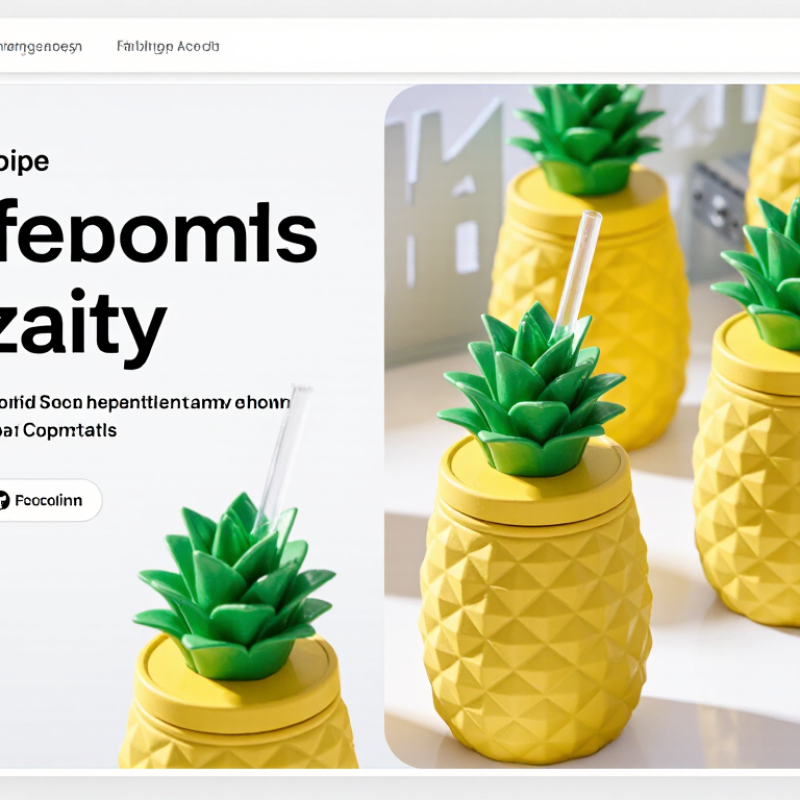
China Best Pineapple Drinking Cup Supplier for Global Buyers?

What Defines a Leading Pineapple Drinking Cup Supplier in China

A leading pineapple drinking cup supplier in China offers more than an attractive tropical shape. It combines food-contact material control, stable molding, and export experience. Grand View Research valued the global reusable water bottle market at about US$9.67 billion in 2023. That growth increases buyer expectations for safer, reusable products.

A capable supplier should provide material certificates, batch records, and practical test results. These may include leak testing, lid-cycle testing, odor checks, and dishwasher resistance. Pineapple textures can create thin corners and difficult cleaning areas. Experienced engineers inspect those details before mass production.

UNEP’s 2023 report states that reuse systems could help reduce global plastic pollution by 80% by 2040. However, “reusable” is not automatically sustainable. A cup must survive regular use, or it becomes decorative waste. That point is often missed.

Tips: Request three production samples, not one. Test the seal after hot and cold filling. Check whether the surface feels sharp around the leaves. Ask for inspection photos, carton measurements, and a clear replacement policy. A low quotation may hide weaker material or limited quality control. I have seen attractive samples fail during repeated lid opening. Supplier claims need evidence. A factory visit, video audit, or independent inspection adds useful confidence, although none is perfect. Clear communication about color tolerance, packing, and delivery schedules also separates a reliable supplier from a casual trader.

Key Materials and Designs Used in Pineapple Drinking Cups

Pineapple drinking cups combine tropical appearance with practical daily use. For global buyers, material selection should come before decorative details. Food-contact polypropylene is lightweight and economical for molded cups. Tritan-style copolyester offers clearer walls and better impact resistance. Stainless steel suits insulated versions, while silicone works well for seals, sleeves, and flexible lids. Each material needs a documented specification, not only a sample photo. Buyers should request food-contact test reports, material declarations, and batch-control records from suppliers.

The pineapple form usually comes from a two-piece or multi-part mold. Raised diamond patterns improve visual depth, but they can make cleaning more difficult. A wide opening helps users add ice and wash the inner surface. A stable base matters because the pointed texture may reduce contact with tables. Many designs use a screw lid, short straw, or removable silicone plug. These parts should fit firmly without creating hidden gaps. Color consistency also deserves attention, especially for yellow, green, and metallic finishes. The shape is attractive, but it may waste packing space. That detail is easy to overlook. Before production, experienced buyers should test leakage, drop resistance, odor, lid torque, and repeated washing. Even a polished sample can hide weak seams.

How Chinese Suppliers Manufacture and Customize Pineapple Cups

Chinese suppliers manufacture pineapple drinking cups through a practical combination of tooling, molding, decoration, and quality testing. Designers first convert the pineapple shape into a 3D model. Engineers then check wall thickness, draft angles, and handle strength. Most plastic versions use food-contact polypropylene or other certified materials. Injection molding creates the cup body and textured leaves. Silicone seals and straws are added separately. This process supports stable production, but deep textures can trap material and increase cleaning difficulty.

Customization usually begins with capacity, color, lid structure, straw type, and packaging. Buyers can request translucent yellow bodies, green leaf-shaped lids, embossed patterns, or printed measuring marks. Experienced factories test samples before mass production.

They inspect leakage, drop resistance, odor, color consistency, and repeated washing performance. Some suppliers also provide material documentation and batch records. The details matter.

The United Nations Environment Programme reported in Turning off the Tap (2023) that global plastic pollution could be reduced by 80% by 2040 through reuse, recycling, and better product design. This supports longer-lasting cup development. However, one pineapple cup is not automatically sustainable. It may use more material than a simple cylindrical cup. That design weakness deserves review. According to Grand View Research’s reusable water bottle market analysis, demand is growing as consumers seek alternatives to disposable drinkware. Chinese manufacturers respond with flexible tooling and lower-volume customization. Yet buyers should verify testing evidence, food-contact compliance, and actual durability before placing large orders. Fancy shapes sell. Practical cleaning keeps customers.

Quality Standards for Global Pineapple Cup Buyers

China Best Pineapple Drinking Cup Supplier for Global Buyers?
Quality Standards for Global Pineapple Cup Buyers

Global buyers should assess a pineapple drinking cup beyond its bright tropical shape. Food-contact materials must be clearly identified, tested, and supported by current compliance documents. Ask for migration test reports from qualified laboratories. The reports should match the exact material, color, coating, and production batch. A decorative cup may look attractive, yet an uneven rim can cause leaks or discomfort.

In practical inspections, check wall thickness at several points. Thin areas often appear near the handle, base, or molded pineapple texture. Fill samples with water, invert them for ten minutes, and inspect the lid seal. Test cups with cold drinks, ice, and moderate heat when the product is designed for those uses. Short tests reveal weaknesses.

Reliable suppliers should provide material specifications, batch records, inspection photos, and a clear sampling process. Factory audits can confirm storage conditions, cleanliness, and separation between raw materials and finished goods. Packaging also matters. Individual sleeves should prevent scratches and crushing during long-distance transport. Some buyers overlook carton humidity; that mistake can damage printed surfaces.

A strong supplier accepts independent inspection. They should explain rejected-product handling without vague promises. Still, no inspection removes every risk. Color variation can occur between batches, especially with recycled or mixed materials. Buyers should define acceptable limits in writing and approve a sealed reference sample before mass production.

How to Select the Right China Pineapple Cup Supplier

China Best Pineapple Drinking Cup Supplier for Global Buyers?

How to Select the Right China Pineapple Cup Supplier

Choosing a China pineapple drinking cup supplier requires more than checking a low quotation. Inspect the cup’s material, wall thickness, lid fit, and drinking opening. Food-contact documentation should match your destination market. Ask for recent test reports, not only factory promises. A reliable supplier can explain resin types, temperature limits, printing methods, and migration testing in clear language.

Request physical samples before placing a bulk order. Fill each cup, close the lid, and turn it upside down for several minutes. Check leaks, sharp edges, odor, color consistency, and stacking stability. The pineapple shape may look attractive, but uneven molding can weaken the base. I have seen excellent samples fail during transport because cartons lacked inner protection. That mistake is expensive.

Evaluate production capacity through factory photos, audit records, and a live video inspection. Confirm minimum order quantities, tooling fees, lead times, carton dimensions, and replacement policies in writing. A capable supplier should provide a pre-production sample for approval. Communication matters too. Slow replies may become serious delays later. Still, no supplier is perfect; even careful teams can miss a small detail. Keep a signed specification sheet, approve artwork carefully, and test a pilot shipment before scaling.

FAQS

What defines a reliable pineapple drinking cup supplier in China?

A reliable supplier controls food-contact materials, molding consistency, and export packaging. They should provide material certificates, batch records, and practical test results. Appearance is not enough. Ask how engineers inspect thin corners, leaf edges, and textured cleaning areas. Past performance helps, but it is not proof.

Which documents should global buyers request?

Request current migration reports from qualified laboratories. The reports should match the exact material, color, coating, and production batch. Also request material specifications and batch records. A certificate for another color may not support your order. That detail matters.

How can buyers test leaks before mass production?

Order three production samples, not one. Fill them with cold water and ice. For suitable designs, test moderate heat too. Invert each cup for ten minutes, then inspect the lid and rim. Repeat opening and closing the lid. Short tests expose weaknesses. One successful sample can mislead you.

What physical areas need close inspection?

Measure wall thickness near the handle, base, and pineapple texture. Check the rim with your finger for sharp or uneven sections. Look for thin corners and difficult cleaning grooves. The cup should feel comfortable, not merely photogenic. Appearance alone is insufficient.

Does reusable automatically mean sustainable?

No. A reusable cup must survive regular use. Otherwise, it becomes decorative waste. Test lid cycles, odor, dishwasher resistance, and repeated handling when relevant. Consider expected lifespan, cleaning effort, and replacement parts. The sustainability claim may still need evidence.

How should packaging be evaluated for international shipping?

Ask for carton measurements, packing photos, and individual sleeve details. Sleeves should reduce scratches and crushing during transport. Check carton humidity protection, especially for printed surfaces. A beautiful product can arrive damaged. Packaging deserves testing too.

What should a buyer include in the quality agreement?

Define color tolerance, wall-thickness expectations, leak standards, and acceptable defects. Approve a sealed reference sample before mass production. Specify delivery schedules and rejected-product handling. Write the replacement policy clearly. Vague promises create avoidable disputes.

How can buyers verify a supplier’s actual factory capability?

Request inspection photos, a video audit, or an independent factory inspection. Check raw-material storage, cleanliness, and separation from finished goods. Ask to see molding and quality-control records. None is perfect. Evidence reduces uncertainty, but it does not remove it.

Conclusion

China has become a major source of pineapple-shaped drinkware, offering buyers a wide range of Pineapple Drinking Cup options for hospitality, retail, events, and promotional use. A leading supplier should combine reliable production capacity, creative design support, stable material quality, and responsive communication. Common materials include food-contact plastics, glass, stainless steel, and reusable specialty materials, with designs featuring textured surfaces, bright colors, lids, straws, handles, and practical leak-resistant structures.

Chinese suppliers typically support both standard production and customization, including logo placement, color matching, packaging, mold development, and order-specific specifications. Global buyers should review material documentation, product testing, dimensional consistency, durability, packaging protection, and applicable import requirements before placing an order. Comparing samples, production experience, minimum order quantities, lead times, customization capabilities, and after-sales service can help buyers select a supplier that delivers attractive, safe, and commercially suitable pineapple cups with consistent quality.

Aria

Aria

Aria is a dedicated marketing professional with a deep passion for innovative strategies and a keen understanding of our company's product offerings. With a wealth of experience in the industry, Aria excels at crafting engaging content that highlights the unique features and benefits of our......