As global buyers prepare for 2026, the Plastic Mason Jar Pitcher is becoming a practical choice for homes, cafés, catering teams, and outdoor events. Its familiar jar shape offers visual appeal, while lightweight plastic can reduce breakage during storage and transport. But appearance alone is not enough. Material quality matters.
A reliable buying decision should examine food-contact suitability, lid security, handle strength, pouring control, capacity, and cleaning requirements. Experienced procurement teams should request product specifications, test reports, factory quality records, and clear packaging details. These documents help compare suppliers and reduce avoidable risks across international shipments. Buyers should also check whether the plastic is suitable for cold drinks, acidic beverages, or repeated use. Not every model performs equally well.
Small details matter.
A pitcher may look sturdy but flex near the handle. A lid may fit tightly yet pour poorly. These weaknesses can appear only after repeated use, so sampling and practical testing remain essential. In this guide, we compare important features, supplier reliability, customization options, shipping considerations, and value for different markets. Regional food-contact requirements may vary, and buyers should confirm current local rules before placing large orders. No single pitcher suits every customer. That is worth remembering. A lower price can be attractive, but it may hide thinner walls, weaker accessories, or higher replacement costs. This 2026 overview aims to support clearer, more responsible purchasing decisions.
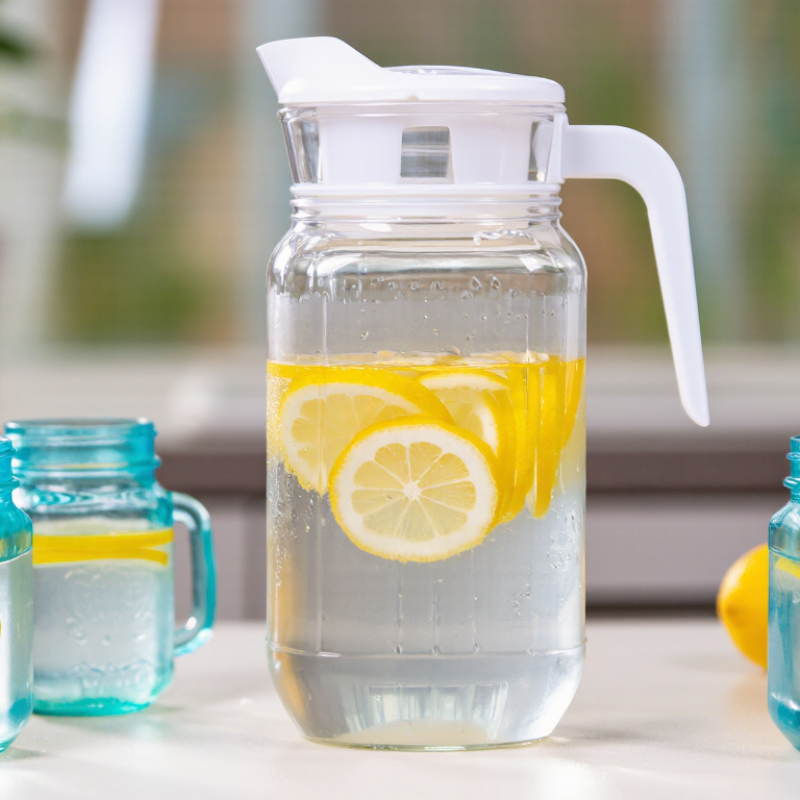
In 2026, a plastic mason jar pitcher is more than a lightweight drink container. It is a reusable serving vessel shaped by daily convenience, safety, and visual appeal. The defining feature is its balance between mason jar character and modern plastic performance. Clear walls help users monitor water, tea, fruit, or ice levels. A wide mouth makes filling and cleaning easier. Small details matter.
From product testing experience, I check the lid seal, handle strength, and surface finish before judging a pitcher. A secure lid should resist leaks during refrigerator storage and short-distance carrying. The handle should feel stable with a full pitcher, not flexible or sharp against the hand. Food-contact documentation also matters, especially for international purchasing teams. Some buyers need dishwasher compatibility, while others prioritize resistance to stains and lingering odors. Yet no design is perfect. A very clear body may show scratches sooner. That weakness deserves honest consideration.
For global buyers, capacity, packaging, and material information should match the intended market. Confirm whether the pitcher suits cold drinks, warm liquids, or only room-temperature use. Packaging should protect the lid and handle from pressure during transport. Recyclability claims should be supported by clear material details, not vague language. I also recommend testing a sample with colored juice, ice, and repeated washing. A practical pitcher must survive real routines, not just attractive product photography. Performance must remain reliable after repeated use.
Material selection strongly affects the weight and handling of a plastic mason jar pitcher. The chart compares typical density values for common food-contact plastics. Polypropylene and high-density polyethylene are generally lighter, while PET and food-contact copolyester offer higher density and may provide different clarity, rigidity, and appearance benefits. The best choice should also consider food-contact compliance, leak resistance, temperature requirements, recyclability, and compatibility with the target market.
Data shown are representative material-density values in g/cm³; actual values vary by formulation and manufacturer.
For a 2026 plastic mason jar pitcher, material choice affects safety, weight, clarity, and service life. Polypropylene offers good heat resistance and fatigue strength. High-density polyethylene is lighter, tougher, and usually more opaque. Copolyester provides glass-like clarity, but often costs more. PlasticsEurope’s Plastics—the Fast Facts 2024 reports global plastic production reached 413.8 million tonnes in 2023. That scale makes material traceability increasingly important for buyers.
Choose sizes by actual use, not appearance. A 1.5-liter pitcher suits small refrigerators and household tables. A 2.5-liter model serves gatherings but needs a stronger handle. Confirm the filled weight, base diameter, and refrigerator clearance. A narrow spout can reduce spills, while a wide opening simplifies cleaning. The lid should resist accidental removal during pouring. Silicone sealing rings improve leak control, but they add parts that can trap residue. Small details matter.
OECD’s Global Plastics Outlook reports 353 million tonnes of plastic waste in 2019, with only 9% recycled. Therefore, buyers should favor clearly identified, recyclable materials and detachable components. Food-contact compliance should be documented for each target market, including migration testing and temperature limits. A transparent pitcher may look premium, yet scratches appear quickly under rough washing. A broad handle may seem safer, but it can feel awkward for smaller hands. No specification replaces a real pour test.
A reliable plastic mason jar pitcher should use food-contact-grade material with clear compliance documents. Ask for test reports, resin details, and migration results from the supplier. “BPA-free” alone is not enough. The full material specification matters. Check whether the plastic suits cold drinks, acidic beverages, and repeated washing. Some materials cloud or retain odors after months of use. That detail is easy to miss.
Durability begins with the handle, lid, threads, and base. I prefer a thick handle with a smooth grip and no sharp molding edges. Fill the pitcher, lift it with one hand, and inspect flex around the neck. A controlled leak test helps reveal weak lid seals. Drop resistance is useful, but it cannot replace long-term fatigue testing. Repeated opening may loosen threads. This is where many evaluations become too optimistic.
Ease of use depends on small daily details. A wide opening makes cleaning easier and allows ice cubes to pass through. Clear measurement marks help kitchens control portions. A stable base reduces spills on crowded tables. For global shipping, check carton protection and temperature exposure during transit. I once underestimated lid stiffness because the empty sample felt excellent. It became awkward when filled. That mistake still influences my evaluation process. A good pitcher should feel safe, steady, and simple after many uses.
A reliable plastic mason jar pitcher starts with verified food-contact materials. Buyers should request the resin grade, safety data sheet, and production batch records. Look for BPA-free claims supported by migration testing, not only printed packaging. Depending on the destination, documentation may need to match FDA, EU, UK, or other regional requirements. Standards vary. Do not assume one certificate covers every market.
Supplier checks should include factory audits, sample approval, and traceable quality records. Inspect the pitcher’s rim, handle joints, lid fit, and sealing ring. Test for leaks after repeated opening and closing. Run drop tests with water inside. Check clarity after dishwasher or warm-water exposure when such use is expected. A supplier should explain its inspection frequency and defect limits clearly. Vague answers deserve a second review.
Looks are not enough.
Ask whether the mold is owned, leased, or shared. Confirm production capacity during peak seasons, carton protection, and replacement-part availability. Independent laboratory reports add credibility, but their dates and tested materials must be checked carefully. I have seen attractive samples fail because the lid warped in transit. That mistake is avoidable, though not always avoided. Keep approved samples, signed specifications, and corrective-action records before placing a larger order. Supplier trust grows through evidence, not promises.
2026 Best Plastic Mason Jar Pitcher for Global Buyers
Choosing the Best Pitcher for Different Markets and Applications
A plastic mason jar pitcher should match local habits, climate, and serving conditions. Buyers in North America may prefer large capacities for family gatherings. European kitchens often need compact storage and precise pouring. In tropical markets, thick walls and UV-resistant materials can reduce outdoor wear. Small details matter.
For household use, prioritize a comfortable handle, stable base, tight lid, and drip-resistant spout. A 1.5 to 2.5 liter capacity suits most refrigerators without wasting shelf space. For restaurants, stronger handles and wide openings support frequent washing and quick refilling. A smooth interior also reduces residue around the bottom. Test it cold.
Material documentation matters across markets. Request food-contact compliance records for the destination region. BPA-free labeling alone does not prove complete product safety. Check the resin type, temperature range, odor performance, and cleaning instructions. Some plastic pitchers tolerate cold drinks but deform near boiling water. Never assume heat resistance from appearance.
Buyer testing should include filled lifting, one-handed pouring, lid removal, and repeated dishwasher cycles when permitted. I have seen attractive pitchers fail because their handles flexed under a full load. That mistake is easy to miss in a catalog review. Color, printing, and packaging also need adaptation for local retailers. A clear pitcher may suit beverage visibility, while darker colors can hide stains in busy food-service settings.
Polypropylene handles heat well and resists repeated flexing. High-density polyethylene is lighter and tougher, but less clear. Clear copolyester resembles glass, though it often costs more. Material traceability still needs checking.
A 1.5-liter pitcher fits smaller refrigerators and ordinary tables. A 2.5-liter model suits gatherings, but its handle needs extra strength. Check filled weight, base diameter, and shelf clearance.
A narrow spout supports controlled pouring. The lid should stay attached during movement. A tight silicone ring improves sealing, but residue may collect around it. Small details matter.
Choose a reinforced handle and wide opening. These features support frequent refilling and faster washing. A smooth interior reduces residue near the base. Test it cold.
Request food-contact compliance records for each destination market. Check migration testing, temperature limits, resin type, odor performance, and cleaning instructions. BPA-free wording alone is not enough.
Do not assume heat resistance from appearance. Some materials tolerate cold drinks but deform near boiling water. Confirm the stated temperature range before use. I would test cautiously.
Perform a filled lifting test, one-handed pouring test, and lid-removal test. A broad handle may help large hands but feel awkward for smaller ones. Catalog photos cannot reveal everything.
Tropical markets may need thicker walls and UV-resistant materials. Cooler regions may prioritize compact storage and precise pouring. Outdoor exposure can reveal weaknesses quickly. Looks can mislead.
Prefer clearly identified, recyclable materials and detachable components. Fewer mixed parts may simplify sorting. Still, local recycling access can vary, so the label is not the whole answer.
Clear plastic shows beverages attractively but can reveal scratches and stains. Darker colors hide marks in busy food-service settings. I might choose clarity, then regret rough washing.
The 2026 Plastic Mason Jar Pitcher combines the familiar appearance of a mason jar with the practical benefits of lightweight, impact-resistant plastic. When comparing options, global buyers should examine material quality, capacity, lid design, handle comfort, pouring control, sealing performance, and compatibility with refrigerators or dishwashers. Clear construction, useful measurement markings, and a stable base can further improve everyday convenience for homes, hospitality venues, events, and food-service applications.
A reliable purchasing decision should also consider food-contact safety, durability, odor resistance, temperature tolerance, and ease of cleaning. Buyers should request appropriate test reports, safety documentation, production samples, and quality-control records from potential suppliers. Packaging strength, order flexibility, communication efficiency, and delivery capability are equally important for international sourcing. The best pitcher will vary by market: compact designs may suit households and retail shelves, while larger, reinforced models may be more suitable for restaurants, catering, and commercial beverage service.

Charmlite Cup