A Collapsible Wine Glass can make a picnic easier, but convenience alone does not make it a good choice. The right design should open securely, feel balanced in your hand, and clean without trapping wine in its folds. Wine-glass designer Georg Riedel’s work highlights how a vessel’s shape can influence the drinking experience. A practical takeaway for collapsible designs is simple: the glass should support the wine, not distract from it. That is a design principle, not a verbatim quotation.
Small details matter. Check the rim for a smooth finish, the base for a stable footprint, and the hinges or joints for a firm fit. Imagine setting the glass on a picnic table or holding it beside a breezy campsite. Does it wobble? Does it feel flimsy when filled? These are useful questions, not laboratory results. Materials, capacity, weight, and cleaning instructions also deserve a close look. Some trade-offs remain. A foldable bowl may pack neatly but feel less like a traditional wine glass. There is no perfect option for every trip.
This guide explains how to compare key features and choose a Collapsible Wine Glass for your plans in 2026. Expect practical criteria, not grand promises. A little skepticism helps. So does checking the product details before buying.
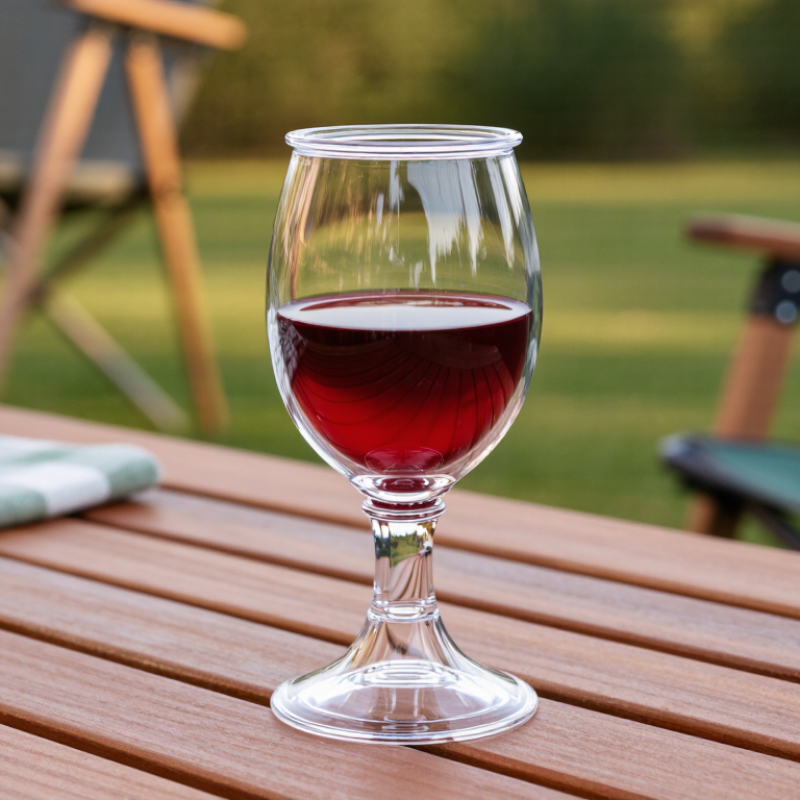
A collapsible wine glass is a reusable drinking vessel designed to shrink for storage or travel. Unlike a standard stemmed glass, it uses folding, nesting, or detachable sections. The bowl usually keeps a rounded shape, while the stem and base compress or separate. This design reduces wasted space in a picnic bag, kitchen drawer, or camper’s cabinet.
From hands-on use, the best designs balance compact storage with a stable drinking experience. A flexible silicone body can resist breaking and feel comfortable in the hand. However, very soft materials may bend when filled, changing the wine’s appearance and making swirling awkward. A rigid cup may preserve shape better, but its folding joints need careful cleaning. Small seams can hide residue. That detail is easy to overlook.
Tips: Check how the glass locks before buying. It should open smoothly and remain firm on a flat table. Look for food-contact materials, a wide enough base, and clear washing instructions. Test the folded size against your actual storage space. A glass that collapses impressively may still be inconvenient if its parts separate too easily. For tasting, choose a bowl with enough height and width to release aroma. For casual outdoor use, durability and grip may matter more than perfect wine presentation. No design does everything well.
A collapsible wine glass uses flexible, detachable, hinged, or telescoping parts to reduce its packed size. The chart compares representative midpoints from common non-branded product specifications.
Flexible silicone models generally pack smallest, while collapsible-stem designs usually offer a larger bowl and a more traditional drinking experience. When choosing, balance packed height, usable capacity, stem stability, material safety, leak resistance, and ease of cleaning.
Choosing the best collapsible wine glass starts with your intended setting. A glass for hiking needs different features than one for a backyard dinner.
For camping, choose a lightweight design with a secure folding mechanism. A wide base matters on uneven ground. It reduces tipping when placed on a picnic table or rock. Look for food-contact silicone or durable, tested plastic. The bowl should keep its shape after repeated folding. A loose rim can affect drinking comfort. I once used a soft cup that collapsed during a pour. It was convenient, but not reliable.
For travel, compact storage may matter most. Check the folded thickness before buying. A thin glass can fit inside a small side pocket. However, extremely thin walls may feel unstable.
For casual indoor use, prioritize a firm stem, balanced base, and clear bowl shape. These details help you judge color and serving level more accurately. A removable design can simplify cleaning, especially after sweet or heavily scented drinks. Read the care instructions carefully. Some materials tolerate warm water but deform under high heat. Others may hold odors after repeated use. That weakness deserves attention.
People who drink slowly should choose a glass with a comfortable rim and steady grip. Those serving outdoors may value impact resistance over appearance. Features should earn their place. Fancy details are not always useful.
How to Choose the Best Collapsible Wine Glass in 2026
Material choice determines more than appearance. It affects odor retention, heat resistance, flexibility, and cleaning safety. Platinum-cured silicone usually handles repeated folding better than thin plastic, but quality varies. Look for food-contact documentation, not vague “non-toxic” claims. The FDA Food Code 2022 recommends food-contact surfaces that are smooth, nonabsorbent, corrosion-resistant, and easy to clean. That matters around the rim and inside creases.
Construction reveals long-term durability. A reinforced silicone body should return to its original shape without whitening, cracking, or becoming sticky. A stainless-steel rim can improve stiffness, yet poorly finished edges may feel sharp. Check the hinge or folding joint carefully. It should move smoothly and avoid trapping wine residue. Tiny gaps become unpleasant quickly. The OECD Global Plastics Outlook reported 353 million tonnes of plastic waste worldwide in 2019, so choosing a reusable glass with replaceable or durable parts can reduce unnecessary disposal. Still, “reusable” is not automatically sustainable.
Try this practical test. Fold the glass ten times, fill it with water, and place it on a flat table. Watch for wobbling or slow leaks. Smell the empty cup after washing. A faint odor is a warning, though I would not treat one bad test as final proof. Product claims can be incomplete. Regular inspection remains necessary, especially after exposure to dishwashers, sunlight, or freezing temperatures.
How to Compare Capacity, Stability, Portability, and Ease of Cleaning
Capacity affects both comfort and control. For most outdoor meals, 250–350 milliliters provides enough room without making the glass top-heavy. A smaller cup suits short tastings, but it may require frequent refills. Check the usable volume, not just the advertised capacity. Some collapsible designs lose space around the folding rim. I prefer leaving about one-third of the glass empty. This reduces spills when walking or sitting on uneven ground.
Stability deserves a hands-on test. A broad base should stay firm on a picnic table, boat deck, or packed soil. Press the rim gently and watch for excessive wobbling. A flexible stem can improve portability, but too much movement feels awkward. My first choice was not perfect. It packed neatly, yet tipped beside a plate. That experience changed how I judge design: compactness should not defeat balance. Textured surfaces may also improve grip when hands are damp.
Cleaning becomes important after sweet or oily drinks. Look for a smooth interior, a secure fold, and few narrow seams. Residue can hide inside small joints. Rinse the glass soon after use, then wash it according to the care instructions. Dishwasher compatibility is convenient, but high heat may shorten the life of some flexible materials. Inspect the rim and folding area regularly for cracks, sticky surfaces, or lingering odors. A lightweight glass is useful, though I still question any model that feels flimsy when fully opened.
Choosing the best collapsible wine glass in 2026 requires more than checking its appearance. Grand View Research estimates the global reusable water bottle market reached about USD 9.8 billion in 2023, reflecting stronger demand for durable, reusable drinkware. That trend also raises quality expectations. Look for food-contact documentation, clear material details, and stated temperature limits. Silicone should feel flexible but not sticky. Stainless steel should show no sharp edges. Press the collapsed cup gently. It should reopen evenly, without permanent creases or a chemical smell.
Check the rim closely under bright light. A thin, uneven edge can affect drinking comfort and may collect residue. Fill the glass with water, place it on a flat table, and test for wobbling. Try the locking mechanism several times. It should feel secure, not forced. The base matters more than many listings admit. It reduces spills on grass, boats, and outdoor tables. ISO 22000 guidance emphasizes controlled food-safety processes, so sellers should provide traceable material and manufacturing information. Vague claims deserve caution.
Read the care instructions before buying. Dishwasher compatibility, stain resistance, and drying time affect real ownership. A 2024 consumer sustainability report from McKinsey found that durability strongly influences perceived product value, although consumer intentions do not always match behavior. That gap is worth remembering. A compact cup is not automatically practical. Check folded dimensions, packed weight, warranty terms, and return conditions. I would also test one glass before purchasing several. Small quality differences can become expensive mistakes.
Choose a lightweight glass with a secure folding mechanism and wide base. It is less likely to tip on uneven ground.
Check its folded thickness. A thin design may fit a side pocket, but very thin walls can feel unstable.
Food-contact silicone or durable, tested plastic can work. Look for clear food-contact documentation, not vague safety claims.
Fold it ten times, fill it with water, and set it on a flat table. Watch for wobbling or leaks.
The rim should feel comfortable, without sharp edges. Check that the joint moves smoothly and has no gaps that trap residue.
A removable design may help. Wash it, then smell the empty cup for lingering odors. Creases deserve extra attention.
It depends on the material and care instructions. High heat, sunlight, or freezing may affect the shape. Check regularly.
Not automatically. A durable glass may reduce disposal, but its lifespan matters. I would not judge from the label alone.
Choosing the best Collapsible Wine Glass in 2026 starts with understanding how its folding or nesting design works and whether it suits the way you plan to use it. Consider where you’ll take it, how often you’ll carry it, and whether you need it mainly for travel, outdoor meals, or compact storage at home. The right choice should balance a comfortable drinking experience with a shape that folds down easily and opens securely.
Compare materials and construction for food-contact suitability, durability, and resistance to wear. Check the capacity, base stability, folded size, weight, and how simple the glass is to wash and dry. Before buying, review clear product specifications, care instructions, customer feedback, and return details. Paying attention to these practical factors can help you choose a reliable glass that fits your needs without sacrificing portability or ease of use.

Charmlite Cup