Choosing Highball Plastic Cups for an event involves more than matching a color to the invitation. The right cup must feel stable, present drinks clearly, and withstand busy service. A tall, narrow design can showcase layered cocktails, sparkling water, or fruit garnishes. However, it may tip more easily on crowded tables. That small detail matters.
Event beverage consultant Elena Marquez says, “A successful cup supports the drink, the guest, and the pace of service.” Her point is practical. Highball Plastic Cups should fit the menu, serving temperature, and event setting. A 12-ounce cup may suit welcome drinks, while a 16-ounce option offers more room for ice and mixers. Clear plastic helps guests see freshness and color. Reusable-style designs can also create a more polished impression.
Start with the event’s real conditions. Will staff carry full trays? Will guests stand outdoors? Could wind, condensation, or limited table space become problems? Check the rim, base, wall thickness, and grip before ordering large quantities. Ask for samples.
Do not choose by appearance alone. It is an easy mistake. A cup that looks elegant online may feel thin in hand or deform beside warm drinks. Material selection also deserves attention. Food-contact suitability, responsible disposal options, and supplier reliability should guide the final decision. This guide explains the key features, trade-offs, and practical checks that help buyers choose Highball Plastic Cups with greater confidence.
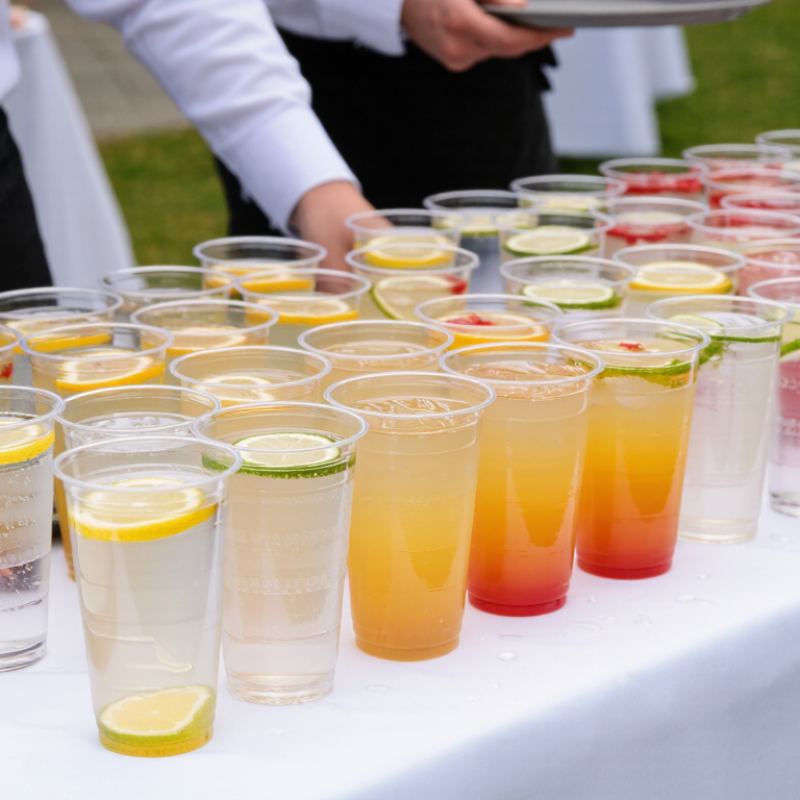
How to Choose the Best Highball Plastic Cups for Events
Highball plastic cups should match drink temperature, serving speed, and venue requirements. PET cups offer clear walls and strong visual presentation for iced beverages. PP cups tolerate warmer liquids better, although their softer appearance may feel less premium. PLA cups may support a composting plan, but only where suitable industrial facilities accept them. “Compostable” does not mean compostable everywhere. Check the local waste contractor first.
Event volume also affects the choice. EPA’s Advancing Sustainable Materials Management: 2018 Fact Sheet reports that containers and packaging represented 28.1% of U.S. municipal solid waste generation. That figure is older, but it shows why material planning matters. PlasticsEurope’s Plastics—the Fast Facts 2023 reports packaging accounted for 39.6% of European plastics demand in 2022. These figures do not decide your cup choice, but they support a careful waste strategy. Recycled-content options can help, if local collection systems actually process them.
Measure the drink size, ice load, and stacking height before ordering. A 16-ounce cup may hold only 11 ounces after ice and garnish. Lids should fit firmly during outdoor transport. Thin cups reduce material use, yet they can collapse in crowded service lines. I have seen elegant cups fail under heavy ice. Test them with the real beverage, temperature, and garnish. A small trial is cheaper than replacing thousands of cups.
Understanding highball plastic cup types and event requirements starts with selecting the right capacity. The chart compares common cup sizes using standard US fluid-ounce conversions.
12 oz: Suitable for short mixed drinks and controlled portions. 16 oz: A versatile choice for cocktails, soft drinks, and standard event service. 20–24 oz: Better for drinks with more ice, mixers, or larger servings.
Choosing highball plastic cups for an event requires more than checking the printed capacity. Size, shape, and drinking comfort affect how guests hold, fill, and carry each cup. In my event setups, a 10–12 ounce cup works well for lighter servings and shorter gatherings. A 16-ounce cup suits longer events, but it can become heavy when filled with ice. Bigger is not always better.
Cup shape also changes the experience. A taller, narrower design helps preserve space on crowded tables and usually feels balanced in one hand. A wider rim makes pouring easier and allows guests to add fruit or ice without spilling. However, an overly narrow base may tip on uneven outdoor surfaces. I once selected a sleek tapered cup that looked attractive, but several guests found it unstable. That mistake changed my selection process.
Drinking comfort deserves careful testing. The rim should feel smooth, with no sharp molding lines or excessive thickness. A lightly textured surface can improve grip, especially when condensation forms. Check whether the cup flexes when squeezed. Too much flexibility makes guests feel uncertain while drinking. I recommend filling sample cups with the actual amount of ice and liquid used at the event. Small details matter. Compare the weight, balance, and rim comfort after several minutes of use, not only when the cup is empty.
How to Choose the Best Highball Plastic Cups for Events
Material selection affects appearance, strength, and guest safety. PET offers clear presentation and resists cracking during cold drink service. PP handles repeated use better, especially when washing instructions permit it. PS can look attractive, but it may become brittle under pressure or temperature changes. Do not judge quality by thickness alone. Check the cup’s wall consistency, rim finish, and base stability. A slightly flexible cup can survive crowded service better than a rigid, fragile one.
Durability matters when drinks move across busy tables. Test filled cups on trays, near ice buckets, and during stacking. Look for secure rims and bases that do not wobble. Tall highball shapes need enough lower support to prevent tipping. In practice, a stronger cup may reduce spills, but it can also increase material use. That trade-off deserves review.
Safety documentation should be specific. Request food-contact declarations, migration test results, and manufacturing traceability. Confirm compliance with the regulations applying to your event location. Avoid vague claims such as “non-toxic” without evidence. Check whether additives, colorants, and recycled content are approved for beverage contact. Reusable cups also need clear cleaning limits and temperature guidance. This is often overlooked. A cup can pass a basic inspection yet fail in real service. Small scratches, cloudy plastic, or a loose rim may signal poor handling or unsuitable reuse. No cup is perfect. The selection should match the drink, venue, washing process, and expected handling.
Venue conditions should guide the cup more than appearance. For outdoor festivals, choose lightweight highball cups with a stable base and a textured grip. Wind, grass, and crowded tables expose weak designs quickly. Indoor receptions allow clearer, thinner cups for presentation. However, glossy surfaces show fingerprints and condensation.
The 2024 Plastics Europe report recorded 413.8 million tonnes of global plastic production in 2023. That figure makes material efficiency worth considering, even for short events. Select the smallest practical capacity instead of oversized cups filled with excess air.
Beverage choice changes the required structure. Tall cups should hold ice without becoming unstable. Carbonated drinks need enough headspace to reduce spills during service. For juice, mocktails, or mixed drinks, clarity helps guests see layers, fruit, and color.
A thicker rim can improve comfort, but it may increase material use. Check whether the cup remains rigid when filled with cold liquid. It sounds obvious, yet some samples soften after several minutes. The U.S. Environmental Protection Agency reported an 8.7% plastic recycling rate in 2018, so recycling claims should be verified locally rather than assumed.
Guest needs also deserve practical testing. Large crowds need stackable cups, fast dispensing, and easy counting. Older guests may prefer a wider rim and stronger grip. Children need spill resistance and sensible sizing.
Ask staff to carry six filled cups across the actual venue before ordering. That test can reveal more than a product sheet.
Waste sorting may fail when bins lack clear signs, staff guidance, or nearby collection points. A cheaper cup can become the costlier choice when spills, replacements, and confusion are counted.
Choosing highball plastic cups for an event requires more than comparing the lowest unit price. A thin cup may look economical, but cracks, spills, and replacements can raise the real cost. For outdoor service, I look for sturdy walls, a stable base, and a smooth rim. Reusable cups can reduce waste, yet they require collection, washing, and storage. That system is not always practical. A reliable choice considers the cup’s full use cycle, not only its purchase price.
Branding should support the event without weakening function. A clear cup with a simple printed logo can keep drinks visible and photographs attractive. Check print durability, color contrast, and resistance to condensation before ordering. Ask for a physical sample. Digital previews can hide small flaws. For bulk purchasing, confirm case quantities, lead times, delivery conditions, and replacement policies in writing. Ordering slightly above the guest count helps prevent shortages, but excess stock can become expensive clutter. I have seen both problems happen.
Tips: Compare at least three quotations using the same cup size and specifications. Request food-contact compliance information for your region. Test the cup with ice, citrus drinks, and a full pour. Measure storage space before delivery. Choose recyclable or reusable materials only when local collection systems can handle them. Keep the decision practical. Sustainability fails when it depends on a system nobody can maintain.
PET offers clear presentation and resists cracking during cold drink service. PP usually handles repeated use better when washing instructions allow it. PS may look attractive, but temperature changes can make it brittle.
No. Check wall consistency, rim finish, and base stability. A slightly flexible cup may survive crowded service better. Thickness alone can mislead.
Fill sample cups and carry them on trays near ice buckets. Stack them, place them on uneven tables, and watch for wobbling. Six filled cups carried across the venue can expose hidden problems.
Choose a secure rim, stable base, and enough lower support. Carbonated drinks need headspace. Tall cups should hold ice without becoming unstable. Small design differences matter.
Outdoor venues need lightweight cups with stable bases and textured grips. Wind, grass, and crowded tables can expose weak designs quickly. Pretty is not always practical.
Clear cups suit juice, mocktails, and layered drinks. Cold beverages require cups that remain rigid after several minutes. Wider rims can improve comfort, but they may use more material.
Request food-contact declarations, migration test results, and manufacturing traceability. Verify approved additives, colorants, and recycled content. “Non-toxic” alone is not enough evidence.
Confirm cleaning limits, temperature guidance, and permitted washing methods. Reject cups with deep scratches, cloudy plastic, or loose rims. Reuse is not automatically safer or cheaper.
Select the smallest practical capacity instead of oversized cups filled with excess air. Provide clear bin signs, nearby collection points, and staff guidance. Recycling claims need local verification.
Match the cup to the venue, beverage, washing process, and guest needs. Include older guests, children, and crowded service conditions in testing. No cup is perfect. Review the trade-offs.
Choosing the best Highball Plastic Cups for an event starts with understanding the available cup types and the specific needs of the occasion. Consider the ideal size, shape, capacity, and rim design to ensure comfortable drinking and an attractive presentation. The cup material should be durable, food-safe, and suitable for the expected temperature and style of beverages. Clear options can highlight colorful drinks, while sturdier designs may be better for busy venues or outdoor gatherings.
It is also important to match cup features with the venue, beverage menu, guest profile, and service style. Event organizers should compare costs, consider reusable or recyclable alternatives where practical, and evaluate sustainability without sacrificing quality. For large events, bulk ordering can improve efficiency and reduce expenses. Custom branding or simple decorative choices may also support the event theme, provided they fit the budget and maintain safety, convenience, and a polished guest experience.

Charmlite Cup