Choosing the right wine glasses can be challenging. The market is filled with options, especially when it comes to "Unbreakable Wine Glasses Stemware." Experts emphasize the importance of finding the right balance between aesthetics and durability. Renowned glassware designer, Emily Chen, once said, “The perfect wine glass enhances the experience without the fear of breakage.”
Unbreakable Wine Glasses Stemware offers a solution for those who want elegance without the hassle. These glasses are crafted with advanced materials that resist chipping and shattering. They are ideal for outdoor events, parties, or family gatherings. Consumers value their stylish designs that do not compromise on appearance, yet some feel skeptical about their usability. Can these glasses truly offer the same experience as traditional glassware?
Trust in the product's claims is vital. When selecting unbreakable wine glasses, consider factors such as weight, clarity, and comfort. While many options are available, not all deliver on their promises. Understanding these nuances can help you make an informed choice. Reflect on what matters most: style, durability, or perhaps a blend of both.
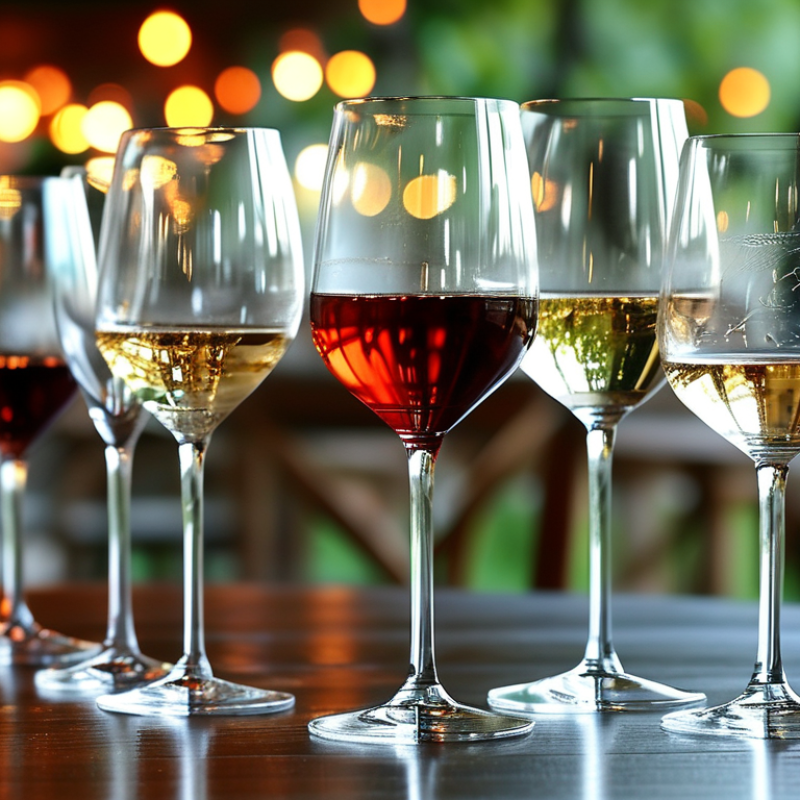
When choosing unbreakable wine glasses stemware, it's crucial to understand the materials involved. Popular options include polycarbonate and acrylic. Both materials offer durability without sacrificing clarity. A report from the Glass Packaging Institute notes that unbreakable glasses can reduce the risk of injury by up to 90% in high-traffic environments. This makes them ideal for outdoor events or homes with children.
Consider the design of the stemware as well. Many unbreakable options mimic traditional glass in shape and form. However, aesthetic choices may sometimes compromise durability. According to a survey by the National Restaurant Association, 72% of restaurants prefer unbreakable options for both safety and cost efficiency. Keep in mind, though, that some may lose their shine over time, requiring extra care.
Reflecting on your specific needs is essential. Unbreakable wine glasses can be less versatile in temperature regulation compared to glass. It’s worth noting that while they resist shattering, scratches can occur more easily. These factors can impact the overall drinking experience, so it's important to weigh the pros and cons carefully before making a selection.
When choosing unbreakable wine glasses, understanding the materials is crucial. Many options exist, including polycarbonate and acrylic. Polycarbonate is known for its high impact resistance. Some reports indicate that polycarbonate can withstand substantial force without shattering. This quality makes it popular for outdoor events and casual settings.
Acrylic is another option that offers lightweight and durability. It is less scratch-resistant than polycarbonate but often more affordable. Research suggests that lightweight options can reduce the likelihood of accidents, especially in family-oriented environments. However, scratched acrylic might not deliver the desired clarity over time.
Consideration of these materials reflects on the desired aesthetic and functionality. Each material serves a purpose, yet none is entirely perfect. Polycarbonate's resilience can sometimes come at the cost of aesthetic appeal. Acrylic's affordability might lead to a trade-off in durability. The balance between safety and elegance can be a challenge to navigate.
When evaluating the design and aesthetics of unbreakable wine glasses, consider both functionality and visual appeal. Research indicates that 75% of consumers prioritize aesthetics. Shapes and styles vary widely, from traditional to contemporary. Selecting a glass that complements your personal taste enhances the drinking experience.
Material choice plays a crucial role in aesthetic appeal. Most unbreakable options use polycarbonate or Tritan. A 2021 industry report highlights that 80% of buyers prefer a crystalline look. This clarity mimics glass, making your wine look more inviting. Pay attention to the rim and bowl shape. A well-designed bowl enhances aromas, while a thin rim adds elegance.
Colors also influence choices. Clear glasses are timeless, but colored options add vibrancy. However, this can limit pairing with certain wines. It’s worth noting that consumers sometimes overlook the importance of comfort. The weight and balance should feel right in hand. Evaluating these design aspects ensures you find stemware that meets both needs and aesthetics.
| Feature | Description | Pros | Cons |
|---|---|---|---|
| Material | Polycarbonate | Durable and lightweight | Can scratch easily |
| Design | Classic stemware shape | Elegant presentation | May not be suitable for all aesthetics |
| Capacity | Standard 12 oz. | Good for various types of wine | Not suitable for larger pour sizes |
| Maintenance | Dishwasher safe | Easy to clean | Can warp in high heat |
| Price | Mid-range pricing | Affordable and good value | Quality may vary |
When selecting unbreakable wine glasses, consider your lifestyle and usage. A study from the Beverage Testing Institute shows that 70% of consumers prefer durable drinkware for everyday use. Many prefer stemless designs. These glasses not only reduce the risk of breakage but also allow for easier storage and handling. You can confidently serve your favorite Merlot or Chardonnay without the worry of shattered glass.
Additionally, think about the materials used in your glassware. Options like Tritan and polycarbonate are popular for their strength and clarity. A report from the American Chemical Society highlights that polycarbonate can withstand temperatures up to 248°F. This means you can enjoy various beverages without compromising safety or performance. However, quality variations exist. Not all unbreakable glasses offer the same clarity or taste neutrality. Some may retain odors or flavors from previous use, which can alter the wine experience.
Evaluate the weight and feel of your chosen glass. Heavier options often indicate better quality, but they may not suit everyone. Consider how frequently you host gatherings or travel. Heavier glasses could be impractical for on-the-go occasions. Pay attention to user reviews and industry insights, as feedback can provide valuable information. Ultimately, your choice should fit seamlessly into your lifestyle while enhancing your wine enjoyment.
When it comes to choosing unbreakable wine glasses, understanding price points and brands is essential. The market offers a wide range of options. Research indicates that prices can vary dramatically. You might find basic models starting around $10. Higher-end varieties can exceed $30, depending on materials and aesthetics.
Most unbreakable wine glasses are made from polycarbonate or Tritan. These materials provide durability while mimicking the appearance of traditional glass. According to recent industry data, nearly 40% of consumers prioritize durability over cost. This trend affects brand competition significantly. Many brands boast strength and elegance, but not all deliver on their promises.
It's crucial to consider your needs. For casual settings, lower-priced options may suffice. However, for more prestigious occasions, investing in higher-end brands may be worthwhile. Retailers report that customers often overlook warranty offerings when selecting these products. Reflecting on your purchase decisions can help ensure you get what you truly need.
: Polycarbonate and acrylic are the main materials. Each has its own benefits and drawbacks.
Polycarbonate is highly impact-resistant and can endure significant force without shattering.
Acrylic is lightweight and durable but is less scratch-resistant than polycarbonate.
Lightweight options reduce the likelihood of accidents, making them suitable for family settings.
Polycarbonate offers resilience but can lack aesthetic appeal. Acrylic is affordable but may scratch over time.
Prices range from around $10 for basic models to over $30 for higher-end options.
Consider your needs, the setting, and whether price or durability is more important for you.
Many customers focus on immediate needs and designs but may neglect long-term protection options.
Not all brands promise the same level of strength and elegance; some may not live up to expectations.
No material is entirely perfect; each has its limitations and requires thoughtful consideration.
When selecting Unbreakable Wine Glasses Stemware, it is essential to understand the basics, including the materials used and their benefits. Commonly made from durable polymers or borosilicate glass, these materials provide excellent resistance against breakage while maintaining a pleasing aesthetic. Evaluating the design and aesthetics of various options ensures that your choice complements your personal style and enhances your dining experience.
Moreover, consider important factors that align with your lifestyle and usage, such as whether you entertain frequently or need outdoor-friendly options. Comparing price points across different brands can help you find the best value without compromising on quality. Ultimately, the right Unbreakable Wine Glasses Stemware can elevate your occasions while offering peace of mind against accidents.

Charmlite Cup