What Is a Fish Bowl Cup With Lid and How Does It Work?

Time:2026-10-21 Author:Oliver
0%

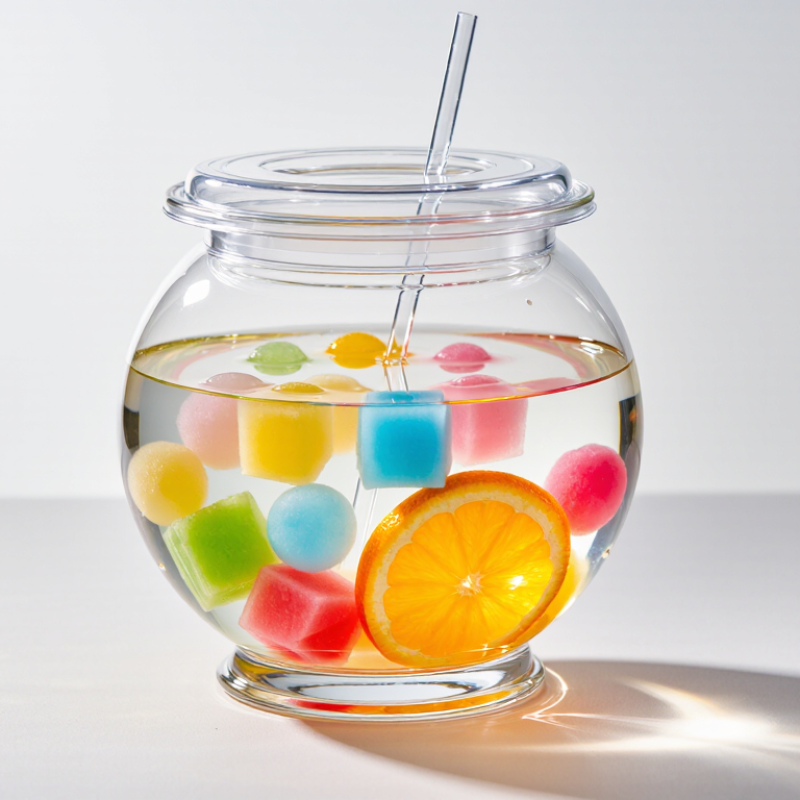
A Fish Bowl Cup With Lid is a clear, rounded drink container designed to create a playful fishbowl appearance. Its wide body displays colorful drinks, fruit pieces, jelly, or floating toppings. The lid helps contain the beverage while supporting a straw or sipping opening.

The design is simple, but its performance depends on several details. A fitted lid presses against the cup rim, reducing spills during carrying. It does not always create a completely leakproof seal. That difference matters.

Packaging expert David Luttenberger, Global Packaging Director at Mintel, describes packaging as “a silent salesperson.” His observation fits this product well. The transparent shape attracts attention before the first sip. However, appearance cannot replace safe construction. The cup should use food-contact materials, a stable base, and a lid that fits evenly around the rim.

In practical use, the drink is poured below the lid’s inner edge. This leaves space for toppings and limits pressure during movement. A straw passes through the designated opening, while the lid helps keep dust and accidental contact away. Some models use snap-on lids; others use heat-sealed covers for takeaway service.

The concept sounds effortless. Real use is less perfect.

Condensation can blur the fishbowl effect. Heavy toppings may shift the balance. An oversized straw can also loosen the lid. These small issues deserve attention when selecting, filling, or serving a Fish Bowl Cup With Lid. This guide explains its structure, operating principle, materials, benefits, limitations, and practical care.
What Is a Fish Bowl Cup With Lid and How Does It Work?

What Is a Fish Bowl Cup? Definition, Shape, and Typical 16–32 fl oz Capacity

A fish bowl cup is a novelty drinking vessel shaped like a small round aquarium. Its clear, curved body creates the familiar fish-bowl appearance. However, it is designed for beverages, not aquatic animals. Most models hold approximately 16–32 fluid ounces, making them larger than a standard household glass. The rounded shape gives drinks a playful presentation, but it may feel less stable than a straight-sided tumbler.

The cup usually includes a fitted lid with a drinking opening. Some lids accept a reusable straw, while others support direct sipping. A secure lid helps reduce splashes when the cup moves across a desk, patio, or car console. It does not make the container completely spill-proof. That distinction matters. A wide opening also makes adding ice, fruit pieces, or larger garnishes easier. Cleaning is usually simpler when the lid and cup separate fully.

In practical use, the 16-ounce size suits iced coffee, juice, or a moderate soft drink. The 32-ounce version offers more volume but becomes heavier when filled. The transparent walls show the drink level clearly. They can also reveal residue that opaque cups hide. That is useful, though not always attractive. Check the product specifications before filling it with hot liquid, because many fish bowl cups are intended for cold drinks only. Hand washing may protect printed details and reduce scratches on clear plastic.

Which Materials Are Used? PP, PET, and Food-Contact Safety Standards

A fish bowl cup with lid is a rounded drink container designed for visibility and easy carrying. Its wide opening can hold tea, juice, desserts, or decorative beverages. The lid reduces spills, while a straw opening or sealed top controls drinking access. The shape looks simple, but material selection affects safety, durability, and temperature performance.

Polypropylene, or PP, is lightweight and fairly resistant to heat, impact, and repeated handling. It often suits lids, reusable cups, and containers exposed to warmer drinks. Polyethylene terephthalate, or PET, is clearer and provides a glass-like appearance. It works well for cold drinks, although heat resistance depends on the exact grade and manufacturing process. PET should not automatically be treated as suitable for hot filling.

Food-contact safety involves more than choosing PP or PET. The complete product must use compliant additives, colorants, adhesives, and processing aids. Manufacturers should verify migration testing and supplier declarations under the rules of the intended market. I would not judge safety by clarity alone. That detail is easy to miss.

A reliable inspection also checks odors, surface damage, lid fit, and cleaning instructions. Scratches may retain residue, especially around decorative grooves. Reuse claims need evidence, not attractive packaging language. In practice, performance can vary between batches. Careful testing remains necessary.

How Does the Lid Work? Seal Design, Straw Openings, and Spill Resistance

A fish bowl cup with lid uses a rounded, transparent body to create its distinctive shape. The lid does more than cover the drink. In a reliable design, a flexible gasket sits beneath the lid and touches the cup rim. When the lid is pressed or twisted into place, the gasket compresses against that rim. This pressure helps block liquid from escaping during normal movement. I noticed this effect when tilting a filled cup carefully. A slow leak still appeared when the lid was slightly uneven.

The straw opening is another important part of the seal design. Some lids use a narrow silicone slit that closes around the straw. Others have a simple round hole with a separate stopper. A tight opening limits splashes, but it cannot create a complete seal around every straw size. Air must enter as liquid leaves. Without airflow, drinking may feel restricted.

Spill resistance depends on several details. The gasket must remain clean, flexible, and correctly positioned. The lid should also lock evenly around the entire rim. A poorly fitted lid can fail quickly. I would not call this cup leakproof, especially when shaken, dropped, or carried in a bag. Its round shape may also shift more easily than a flat-sided tumbler. For daily use, test the seal with water before adding a hot or colored drink.

How Is a Fish Bowl Cup Assembled? Step-by-Step Filling and Closure Process

A fish bowl cup is a rounded drink container with a wide opening and fitted lid. Its shape creates a noticeable visual effect, but assembly still depends on careful handling. Grand View Research estimated the global reusable water bottle market at about USD 9.67 billion in 2023. That growth increases attention on durable, reusable drinkware.

The process starts with a clean, dry cup and lid. Inspect the rim for chips, cracks, or uneven plastic. A small defect can weaken the seal. Add the beverage slowly, leaving roughly 10–15% headspace. This space reduces pressure when the lid is pressed into place. Avoid filling above the designed level. It looks convenient, but it often causes spills.

Place any sealing ring evenly inside its groove. The ring must lie flat, without twisting. For a straw opening, align the straw port before closing the lid. Press the lid down from one side, then work around the rim with steady pressure. A soft snap usually shows that the closure is seated. Do not force it. The cup may appear closed while one section remains lifted. Turn the filled cup over a sink and check for drips. Also shake it gently. A practical weakness remains: decorative shapes can make cleaning corners difficult. The Food and Drug Administration emphasizes sanitary, food-contact surfaces, so users should wash the cup promptly after use.

How Should It Be Used and Cleaned? Reusability, Temperature, and Care Limits

What Is a Fish Bowl Cup With Lid and How Does It Work?

A fish bowl cup is a drink container shaped like a small aquarium. Its wide body holds cold drinks, while the lid helps reduce spills and protects the opening. Some designs include a straw hole or a removable straw. The rounded shape looks playful, but it also needs careful handling because it can be awkward to grip.

It is a cup, not a real fish habitat. Never place living animals inside it.

How Should It Be Used and Cleaned? Reusability, Temperature, and Care Limits

Use and Temperature

Use it for water, juice, iced tea, or other suitable beverages. Check the material before adding hot liquid. Many plastic cups can warp under high heat, and sudden temperature changes may cause cracks. Lukewarm drinks are usually safer when the instructions are unclear. A common mistake is filling the cup completely; leave space beneath the lid to prevent pressure and leaking.

Cleaning and Drying

Wash the lid, seal, straw, and cup separately. Warm water and mild dish soap usually remove sugar and drink residue. A narrow brush helps clean the straw and lid channels. Rinse every part well, then let it dry fully before assembly.

Trapped moisture can create odors or mold. It happens quietly.

Reusability and Care Limits

Reusable does not mean permanent. Replace the cup when it becomes cloudy, deeply scratched, cracked, or unusually smelly. Avoid abrasive pads and harsh chemicals, which can damage the surface. A dishwasher may be acceptable only if the material is marked dishwasher-safe. I would still place small parts on the upper rack, because heat can distort them.

FAQS

What is a fish bowl cup?

It is a clear drinking cup with a rounded body resembling a small aquarium. It holds beverages, not aquatic animals. The shape looks playful but may wobble more than a straight tumbler.

How much liquid can a fish bowl cup hold?

Most models hold about 16–32 fluid ounces. A 16-ounce cup suits iced coffee, juice, or a moderate soft drink. The 32-ounce size holds more, but becomes heavy when filled.

Does the lid make the cup spill-proof?

No. A fitted lid can reduce splashes across a desk, patio, or car console. It may still leak if tilted, shaken, or closed unevenly. Not completely.

How should I fill and close the cup?

Start with a clean, dry cup and lid. Check the rim for cracks or uneven plastic. Add the drink slowly, leaving about 10–15% empty space. Place the sealing ring flat, then press the lid around the rim.

How can I check whether the lid is secure?

Look for an even fit around the entire rim. A soft snap may indicate proper closure. Turn the filled cup over a sink and watch for drips. Shake it gently. One lifted section can remain easy to miss.

Can I use hot drinks in a fish bowl cup?

Check the product instructions before adding anything hot. Many models are made for cold beverages only. Clear plastic can feel cool while the liquid inside remains dangerously hot. Do not guess.

Is a fish bowl cup easy to clean?

Cleaning is easier when the lid, sealing ring, and cup separate fully. Wash the cup soon after use, especially after sweet drinks. Curved corners can trap residue. The transparent walls reveal that residue, which is useful but unattractive.

Is a fish bowl cup practical for everyday use?

It offers clear drink visibility, a wide opening, and space for ice or fruit pieces. However, its rounded body can feel unstable. A straw may improve convenience, but it does not prevent leaks. The presentation is fun; the practicality is imperfect.

Conclusion

A Fish Bowl Cup With Lid is a rounded drink container designed to resemble a small fish bowl, offering a playful appearance while providing practical space for beverages. Common capacities range from 16 to 32 fl oz, making it suitable for water, juice, tea, smoothies, and other cold or moderately warm drinks. These cups are typically made from food-contact materials such as polypropylene (PP) or polyethylene terephthalate (PET), selected for durability, clarity, and everyday usability. Safe use depends on following the material’s temperature and handling limits.

The lid is designed to fit securely over the cup, helping reduce spills during carrying. Depending on the design, it may include a straw opening or drinking port, while the seal and rim work together to improve stability. Assembly generally involves filling the cup, leaving enough space at the top, positioning the lid evenly, and checking that the closure is secure. For continued use, wash the cup and lid promptly with mild soap and water, rinse thoroughly, and allow all parts to dry. Avoid excessive heat, harsh cleaners, and rough handling that could damage the container or seal.

Oliver

Oliver

Oliver is a seasoned marketing professional with a wealth of expertise in driving brand awareness and engagement. With a deep understanding of our company's product offerings, he consistently delivers high-quality content that enriches our professional blog. His insights not only shed light on......