Finding reliable China suppliers for Disposable Cocktail Glasses Kmart requires more than comparing prices. Product appearance matters, but performance matters more. A clear cup should remain stable on a serving tray, resist cracking, and keep its shape around chilled drinks. This guide introduces ten potential Chinese suppliers for buyers researching cocktail glasses suitable for Kmart-related retail channels, party stores, hospitality projects, and private-label programs. It does not suggest that every supplier is an official Kmart vendor. Verification remains essential.
The comparison considers material options, cup capacity, rim quality, packaging, minimum order quantities, customization, export experience, and communication speed. Suppliers may offer PET, PP, PS, or recyclable alternatives, but each material behaves differently during transport and use. Ask for food-contact documentation, test reports, factory details, and recent production samples. Samples reveal weaknesses. A glossy finish can hide thin walls, uneven rims, or unstable bases. Buyers should also confirm carton dimensions, pallet efficiency, lead times, and replacement policies before placing a larger order. These details can influence landed cost more than the quoted unit price. Experience with event packaging suggests that attractive photographs are not enough; real samples and documented controls provide stronger evidence. Still, supplier information can change, and some online claims may be incomplete. That is an area for careful review. The following overview aims to support practical sourcing decisions through transparent comparisons, realistic questions, and attention to product safety, consistency, and long-term supply reliability.
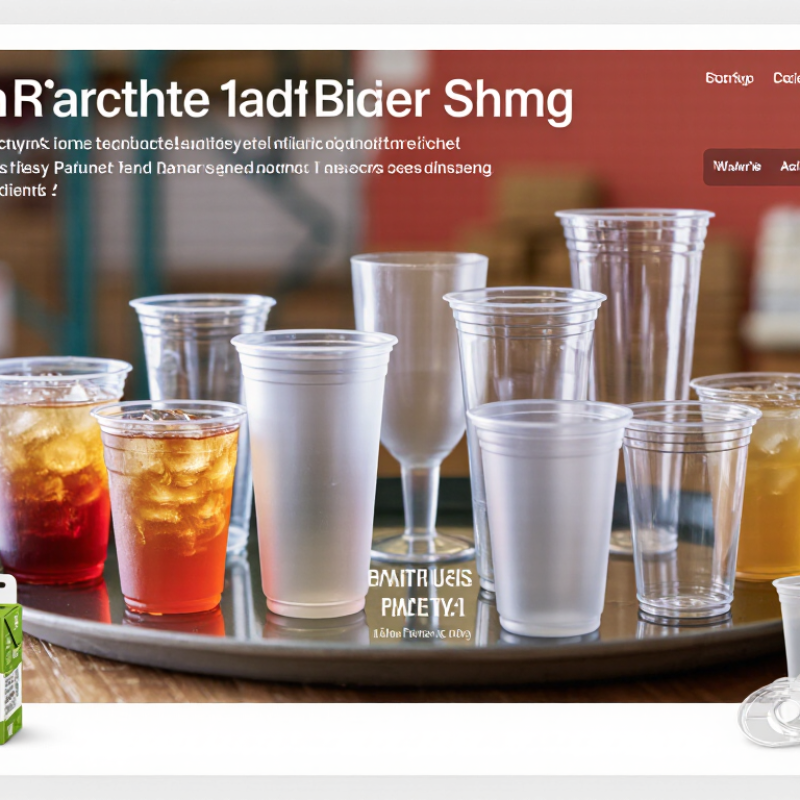
China’s top 10 disposable cocktail glass suppliers for Kmart are defined by verified manufacturing ability, product consistency, and retail readiness. This market includes factories producing clear plastic cocktail cups, stemmed tasting glasses, and compact party drinkware. Suppliers should support private-label packaging, barcode placement, carton testing, and stable export documentation.
A practical top-10 assessment should compare material safety records, mould precision, production capacity, and inspection controls. In factory reviews, sample rims deserve close attention. Rough edges can affect handling and customer perception. Cup clarity, base stability, sealing quality, and stacking efficiency also matter. Suppliers with documented batch checks are more reliable for high-volume retail programs. However, production claims should never replace an on-site audit or independent sample testing.
Kmart-focused sourcing also requires flexible order quantities and clear lead-time communication. A supplier may offer an attractive unit price but struggle with seasonal demand. That weakness matters. Packaging should reduce breakage, excess space, and unnecessary material use. Some suppliers still provide incomplete test reports, which creates avoidable uncertainty. A careful buyer should verify factory ownership, employment practices, export history, and corrective-action records before approval. The strongest candidates are not simply the cheapest ten; they are the ten with measurable performance, transparent communication, and repeatable quality across real purchase orders.
| Rank | Supplier Profile | Primary Product Format | Material | Typical Capacity | Typical MOQ | Typical Lead Time | Common Compliance Documentation | Kmart-Relevant Selling Points |
|---|---|---|---|---|---|---|---|---|
| 1 | Supplier Profile A | Clear disposable wine and cocktail cups | PET | 200–500 ml | 10,000 pcs | 20–30 days | Food-contact declaration, test report, material specification | Transparent appearance, stackable design, retail-ready carton options |
| 2 | Supplier Profile B | Stemmed disposable cocktail glasses | PS | 150–350 ml | 20,000 pcs | 25–35 days | Food-contact test report, packaging specification, factory inspection support | Lightweight stem, party-use positioning, low unit cost |
| 3 | Supplier Profile C | Reusable-look rigid plastic tumblers | PP | 250–500 ml | 15,000 pcs | 25–40 days | Food-contact declaration, migration testing, recyclability information | Higher impact resistance, suitable for outdoor events, recyclable material option |
| 4 | Supplier Profile D | Fluted and textured cocktail cups | PET | 250–400 ml | 10,000 pcs | 30–40 days | Material declaration, food-contact test report, colorant documentation | Decorative surface, premium visual effect, suitable for seasonal ranges |
| 5 | Supplier Profile E | Mini tasting and sampling glasses | PS | 60–120 ml | 20,000 pcs | 20–30 days | Food-contact declaration, dimensional inspection report | Small serving size, economical multipacks, suitable for events and tastings |
| 6 | Supplier Profile F | Coupes and wide-bowl cocktail glasses | PET | 180–300 ml | 12,000 pcs | 30–45 days | Food-contact test report, product drawing, carton drop-test information | Distinctive silhouette, broad cocktail presentation, protective packing options |
| 7 | Supplier Profile G | Colored and translucent cocktail cups | PP | 200–400 ml | 15,000 pcs | 30–40 days | Colorant compliance, food-contact declaration, sample approval record | Color assortment, party and seasonal appeal, reduced breakage risk |
| 8 | Supplier Profile H | Tall highball and spritz glasses | PET | 350–600 ml | 10,000 pcs | 25–35 days | Food-contact declaration, dimensional report, packaging specification | Large beverage volume, stable base, suitable for mixed-drink occasions |
| 9 | Supplier Profile I | Lid-compatible cocktail cups | PP | 300–500 ml | 20,000 pcs | 30–45 days | Food-contact declaration, lid fit test, leak-resistance test | Takeaway suitability, spill-control option, compatible accessory packaging |
| 10 | Supplier Profile J | Premium-look crystal-effect cups | PET | 180–450 ml | 10,000 pcs | 35–45 days | Food-contact test report, surface-finish specification, carton test report | Glass-like appearance, premium entertaining presentation, giftable multipack potential |
Market-reference ranges are typical China export specifications and should be confirmed with each supplier through current samples, compliance documents, packaging tests, and commercial quotations.
Reliable suppliers show stable quality, verified production ability, and clear export records. They support private-label packaging and barcode placement. Claims alone are not enough.
Large factories may produce 500,000 to 2 million pieces monthly. Smaller facilities may produce 20,000 to 50,000 pieces per design. Actual busy-season capacity can be lower.
Typical minimum orders range from 5,000 to 30,000 pieces. Confirm whether the quantity applies to each color, size, or combined order. Details matter.
Standard production often takes 20 to 35 days after artwork approval. Custom molds, metallic effects, or printed rims may add two to four weeks. Add a small buffer.
Inspect sample rims for rough edges, cracks, and uneven shapes. Check clarity, base stability, sealing, and stacking efficiency. A 500-piece inspection gives more useful evidence.
Request material specifications, food-contact test documents, batch records, and production samples. Also review carton testing and export paperwork. Incomplete reports create uncertainty.
Test stacked cartons in a humid warehouse. Check carton strength, internal protection, and available space. Damaged cartons can erase an attractive unit price.
Compare landed cost, defect rate, recycled content, customization, capacity, and delivery reliability. A low quotation may become expensive after delays. Sample batches still cannot predict everything.
This guide evaluates China’s top suppliers of Disposable Cocktail Glasses Kmart, focusing on production capability, material performance, compliance, and export readiness. It compares PET, PP, and PS options, highlighting PET clarity above 85%, PP’s strong impact resistance, and the practical limitations of PS for demanding applications. Each supplier profile considers factory capacity, minimum order quantity, lead time, quality-control systems, and major export regions.
The ranking framework balances unit cost, defect rate, recycled-content options, and customization flexibility, including colors, shapes, packaging, and branding support. Compliance is reviewed against FDA 21 CFR, EU 10/2011, LFGB, and ISO 22000 requirements to help buyers assess food-contact safety and manufacturing reliability. The result is a practical supplier comparison for sourcing consistent, customizable disposable cocktail glassware while maintaining efficient procurement and dependable quality standards.

 Charmlite Cup