In the contemporary B2B landscape, the procurement of ice cream cups and lids extends far beyond simple commodity purchasing. As a specialized SEO growth director, I analyze the market through the lens of User Intent Mining—buyers are not just looking for "cups"; they are seeking supply chain security, material safety certification, and scalable ODM/OEM partnerships. The Chinese manufacturing sector has evolved from high-volume, low-cost production to a sophisticated nexus of R&D, precision molding, and rapid-response logistical support.
Modern ice cream container manufacturing is driven by three technological pillars: Precision Injection Molding, Material Durability Engineering, and Automated Quality Inspection. Leading factories now employ multi-cavity hot runner systems that reduce material waste and increase consistency. Furthermore, the shift toward sustainable materials (like rPET and PLA) represents a paradigm shift. We see a move toward "performance packaging"—where the lid design is as critical as the cup itself, featuring proprietary leak-proof threading and snap-fit mechanisms that undergo rigorous stress testing.
Why do global enterprises continue to rely on Chinese factories for drinkware? The answer lies in Cluster Efficiency. In hubs like Xiamen, manufacturers benefit from localized supply chains where raw resin, color masterbatches, and packaging materials are sourced within a 50km radius. This drastically reduces lead times. By leveraging advanced CRM and ERP systems, top-tier exporters like Charmlite (and its subsidiaries) can offer transparent production schedules, mitigating the risks of global logistics volatility.
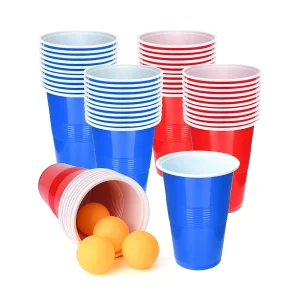
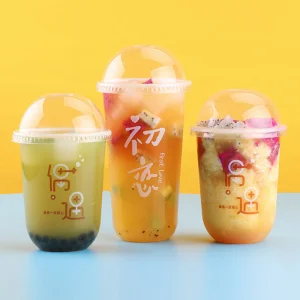
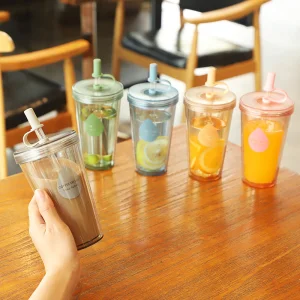
High-volume turnover requires stackable, space-efficient designs. Our specialized PP/PET cups ensure cold-chain integrity for iced lattes and desserts.
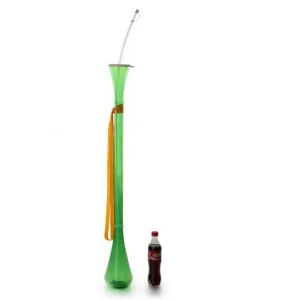
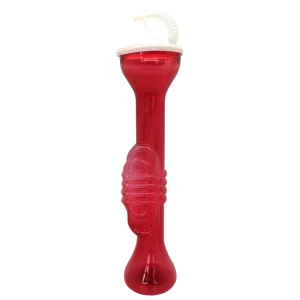
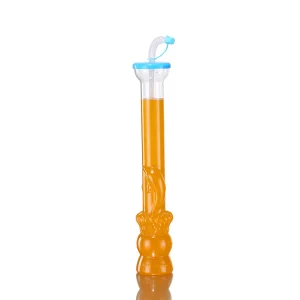
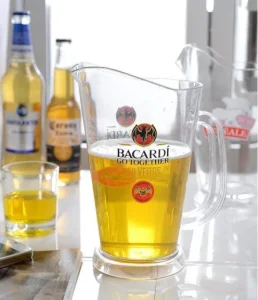
The "Souvenir Cup" model. Leveraging LED integration and custom molding to increase customer engagement and per-capita spending in entertainment venues.
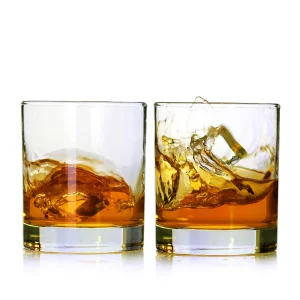
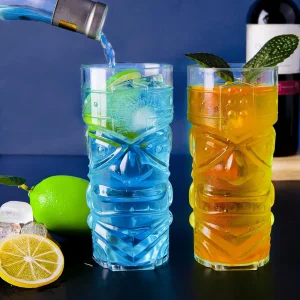
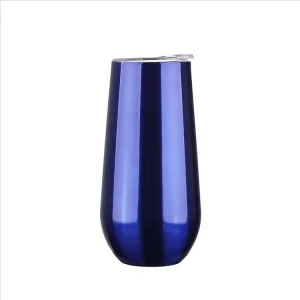
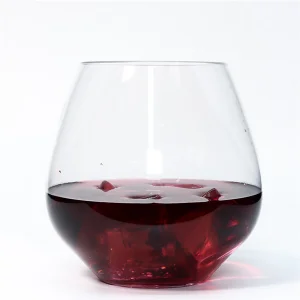
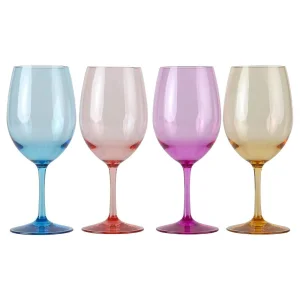
Shatterproof Tritan glasses provide the elegance of crystal with the durability required for outdoor, high-traffic events.
In the global market, "Quality" is synonymous with "Trust." An exporter's credibility is defined by their adherence to international standards. Reliable Chinese manufacturers now maintain an arsenal of certifications:
By implementing a "Quality at Source" strategy, manufacturers are moving beyond final inspection toward in-process quality control, utilizing AI-driven optical sensors to detect deformities at the molding stage, effectively achieving a near-zero defect rate.
A premium manufacturer offers end-to-end ODM/OEM services, including mold development, custom logo printing, and material analysis. They possess specific certifications like FDA/LFGB and have robust quality control processes.
Information gain refers to the unique, expert insights a supplier provides. A good partner doesn't just sell a cup; they provide technical data on material life cycles, logistical advice, and design optimization to help your brand succeed.
Despite global economic shifts, specialized manufacturing hubs in China have optimized production speed through automation, ensuring that even with custom requirements, delivery timelines remain predictable.
 Charmlite Cup